

How Cornell is driving discovery in the International Year of Quantum
Quantum science explores the rules that govern the smallest building blocks of our universe — atoms, electrons, and photons — in strange and surprising ways. At Cornell, we’re using quantum mechanics to build technologies once thought impossible: ultra-powerful computers, ultra-precise sensors, and communication systems no one can hack.
Join us in exploring the quantum frontier and celebrating this historic International Year of Quantum.
What We’re Working on
Building the Brains of Quantum Computers
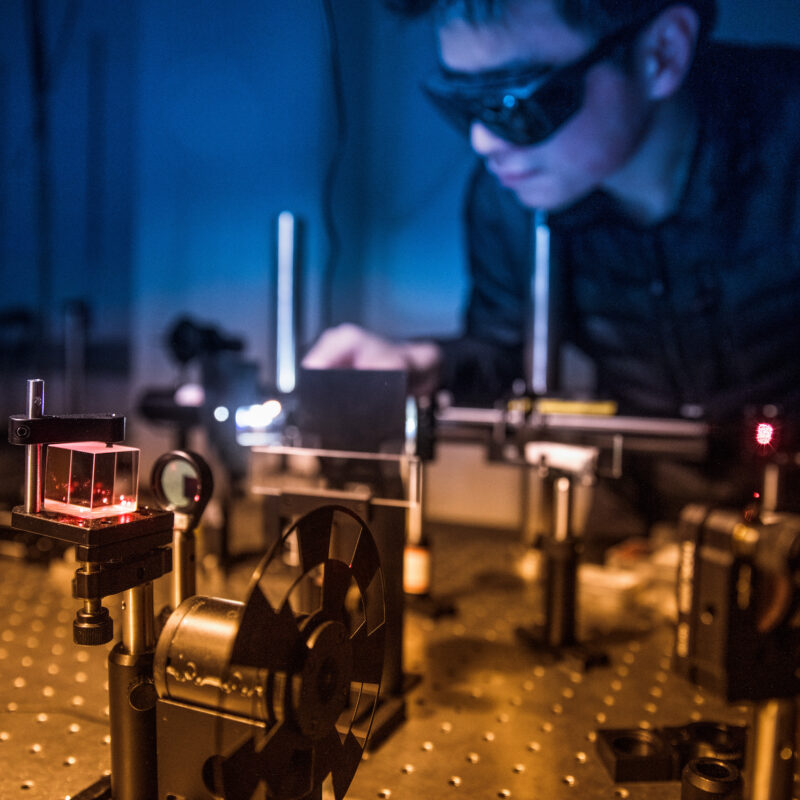
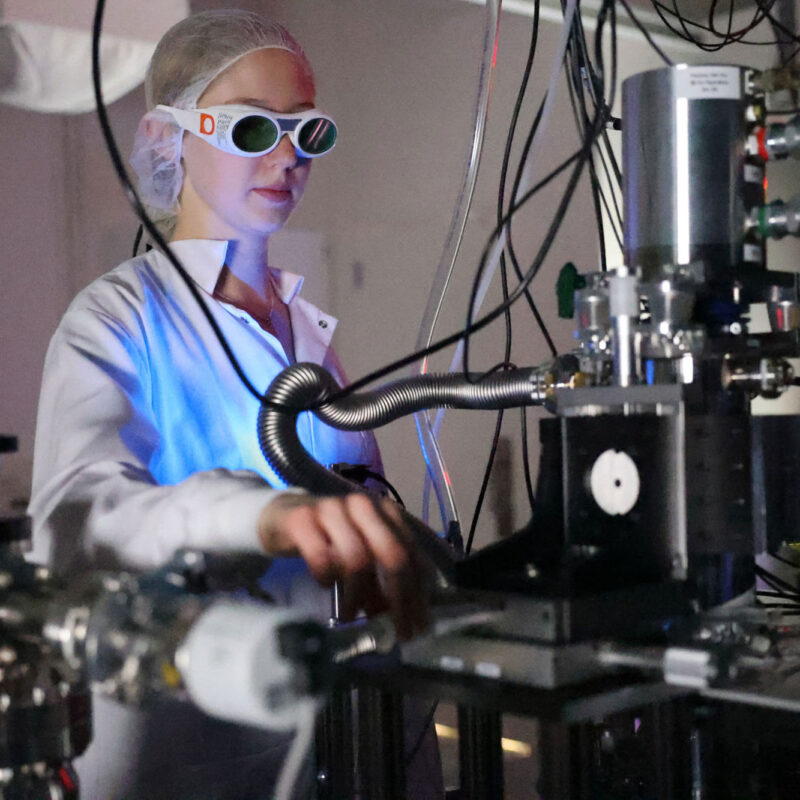
Quantum computers are incredibly fast, but making sure they remember information correctly is a lot trickier than on your home computer. At Cornell, we’re finding new ways to ensure accuracy and precision. Our researchers are also using AI to fine-tune quantum operations and reduce “noise” — the little upsets that make quantum computers forget things.
Spotlight:
- First to detect key to quantum computing future
- Sound drives ‘quantum jumps’ between electron orbits
Quantum 101:
Quantum computers run on qubits, which can hold both a 0 and a 1 at the same time, unlike traditional bits which can only remember one thing at a time.
Dig Deeper:
Creating Quantum Sensors You Can Use
Quantum sensors can detect tiny changes in temperature, light, pressure, and magnetic fields. They’re used in medical imaging, navigation, the military — and one day you may be wearing one to monitor your health in real time. Cornell scientists are building new technology to support many different forms of detection.
Spotlight:
- Finding useful defects in gallium nitride for future quantum devices
- Imaging superconductors and topological materials
Quantum 101:
Some quantum sensors can detect changes a million times smaller than a traditional sensor, thanks to the sensitivity of quantum systems.
Dig Deeper:
Cooling Down to Heat Up Discovery
Join Rachael Cohn, manager of the Meehl Cryostat at Cornell, for a behind-the-scenes look at this ultra-cold research tool. Learn how temperatures near absolute zero make cutting-edge quantum science possible — from superconducting materials to breakthroughs in drug discovery and more.
Spotlight:
- Eliminating defects in superconducting circuits
- Revealing the superconducting limit of ‘magic’ material
Quantum 101:
Superconducting materials carry electricity with zero resistance, meaning no energy lost, no heat, just pure, perfect flow.
Dig Deeper:
Building the Tools That Make Quantum Work
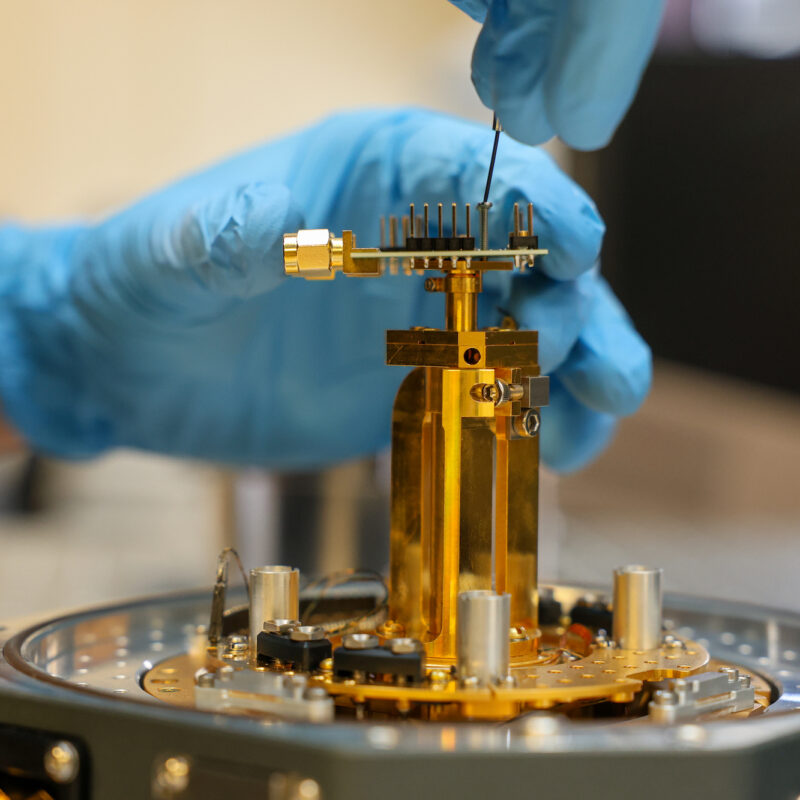
Quantum computers and other innovative quantum devices need custom-built hardware to control and connect them. Cornell engineers are designing integrated circuits to support quantum systems at scale.
Spotlight:
- Creating chip-scale systems with quantum sensors and controllers
- Discovering new quantum states while improving error correction
Quantum 101:
Quantum devices are incredibly delicate — tiny tweaks in hardware design can make or break their performance.
Dig Deeper:
Discovering the Right Materials for the Job
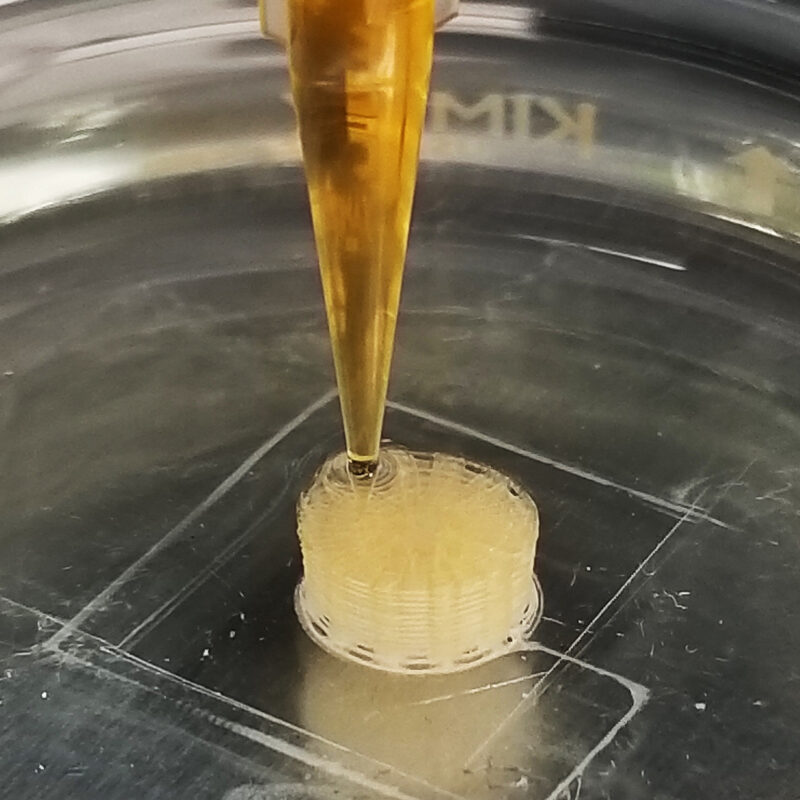
Quantum technologies depend on materials that behave in special ways, which enable them to improve solar cells, batteries, diagnostic tools and more. Cornell scientists are discovering new forms and uses for materials at the atomic level — even creating the world’s smallest guitar, the width of a DNA strand.
Spotlight:
- Using cryo-microscopy to observe quantum materials in ultra-fine detail
- Cornell team develops more efficient photocathode
Quantum 101:
The quantum world can be manipulated through the behavior of advanced materials — some only a few atoms thick.
Dig Deeper:
Look Inside Our Laboratories and Facilities
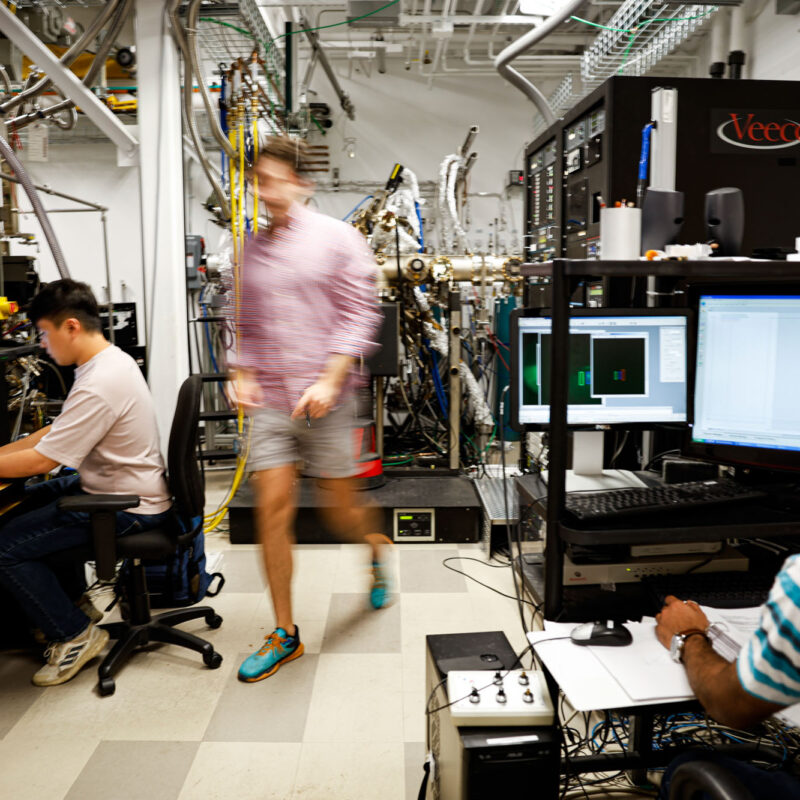
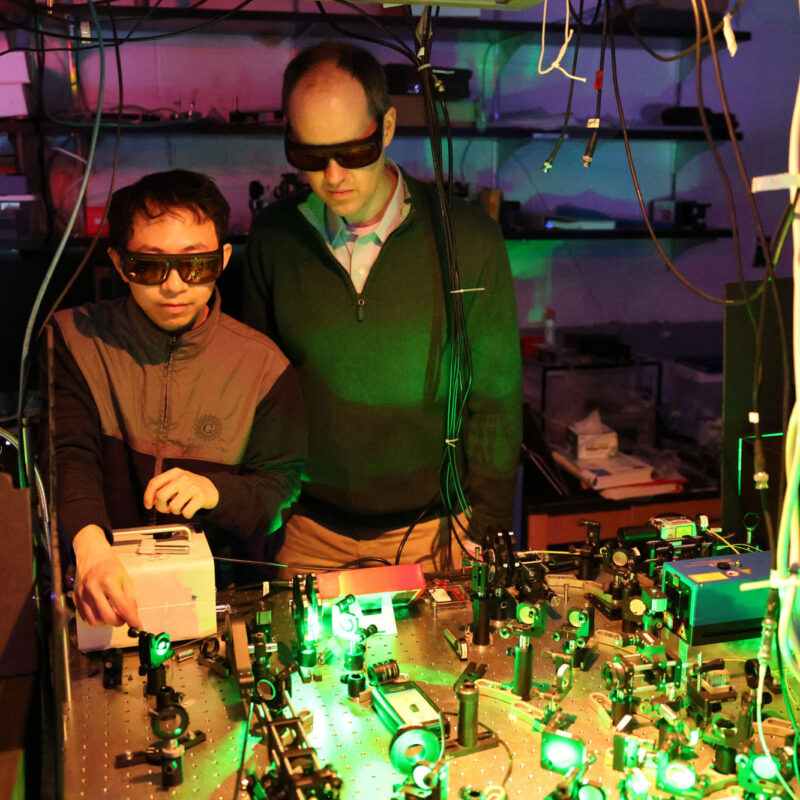
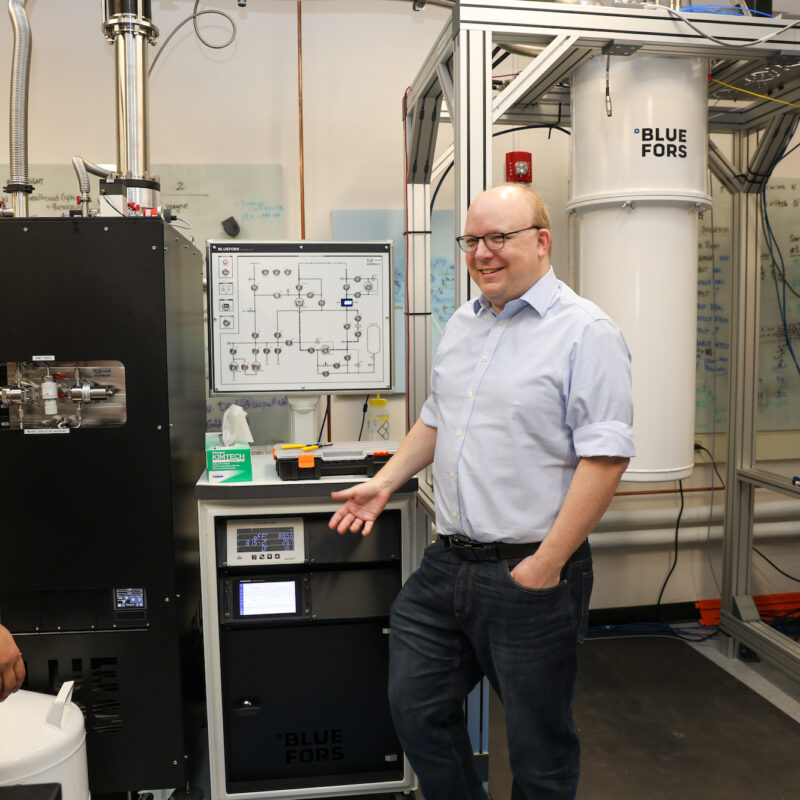
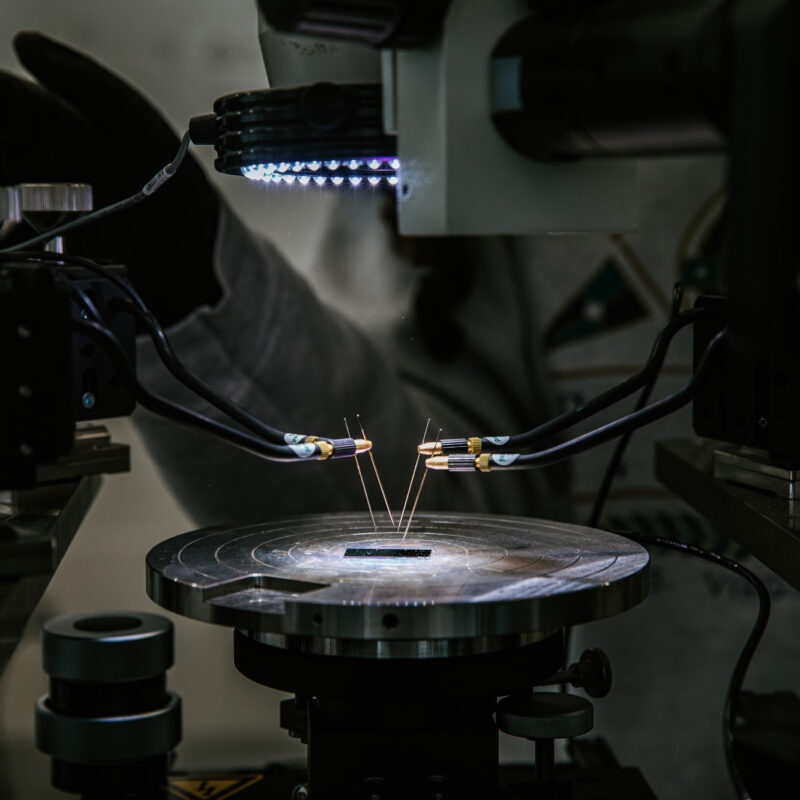
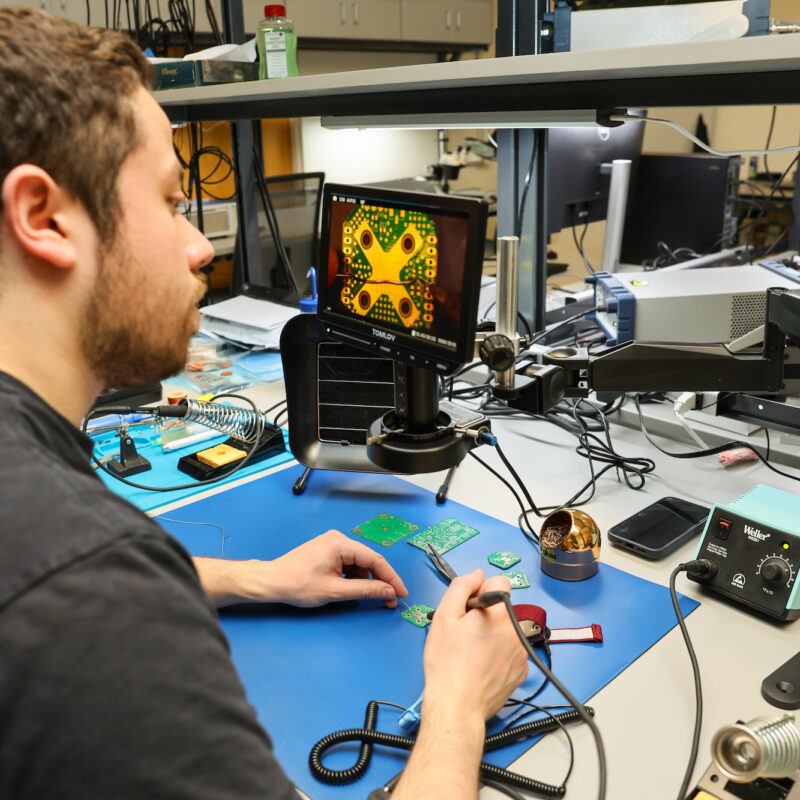
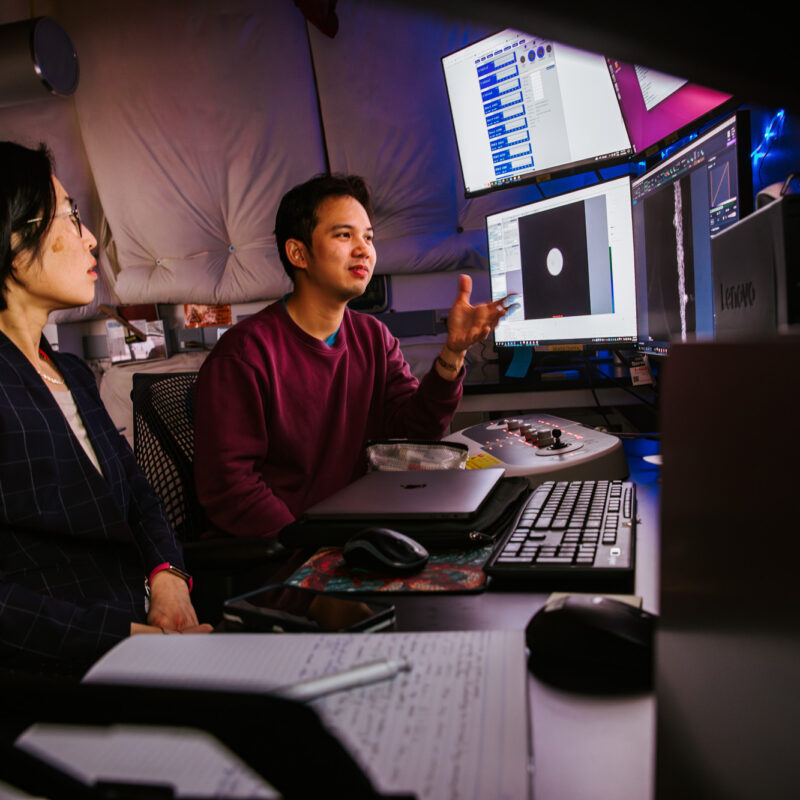
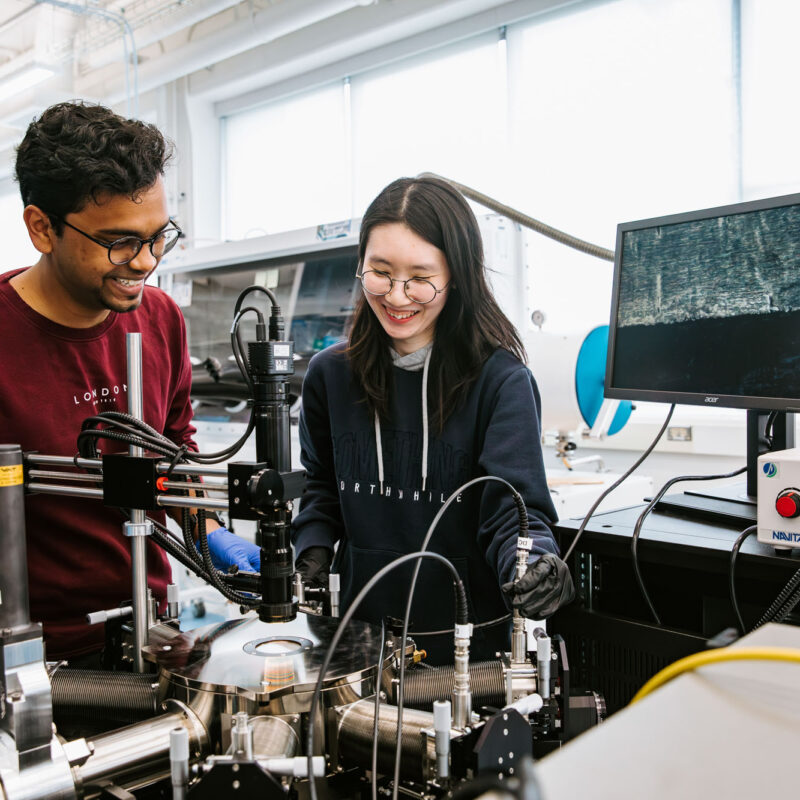
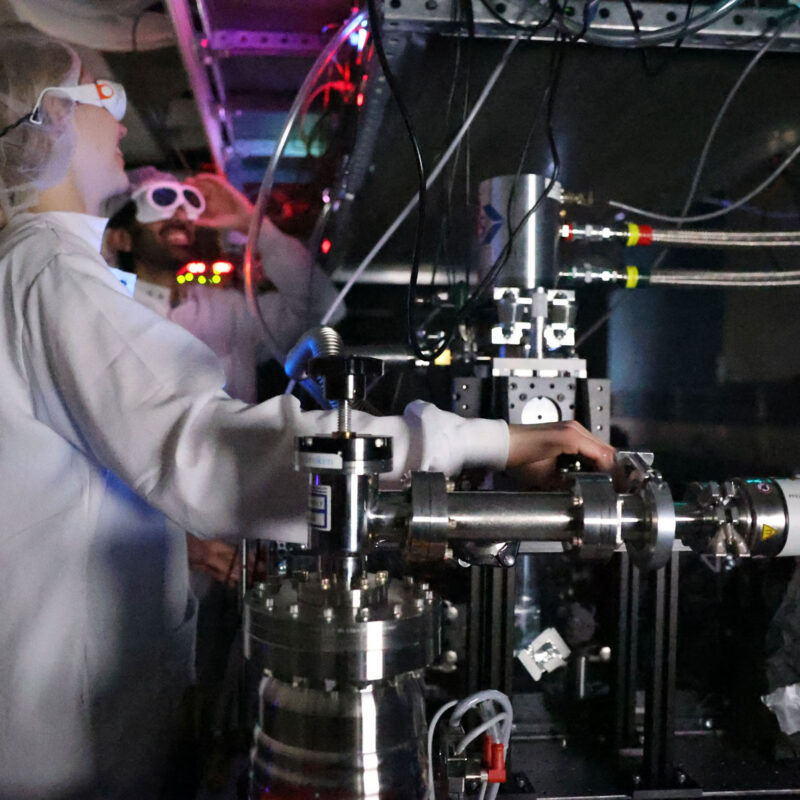
Asking the Big Questions
Quantum research delves into a vast range of areas that affect our daily lives, from renewable energy to gravity to communication systems. Cornell scientists delve deep to help make sense of quantum mechanics, gaining insight into how particles behave and even whether time itself can be manipulated.
Spotlight:
- Light-activated micro device expands ‘green’ electrochemistry
- Exploring time travel and information flow in quantum systems
Quantum 101:
Theoretical physics is like a map for experimental science — pushing the boundaries of what we think is possible.
Dig Deeper:
A Gift for the Future
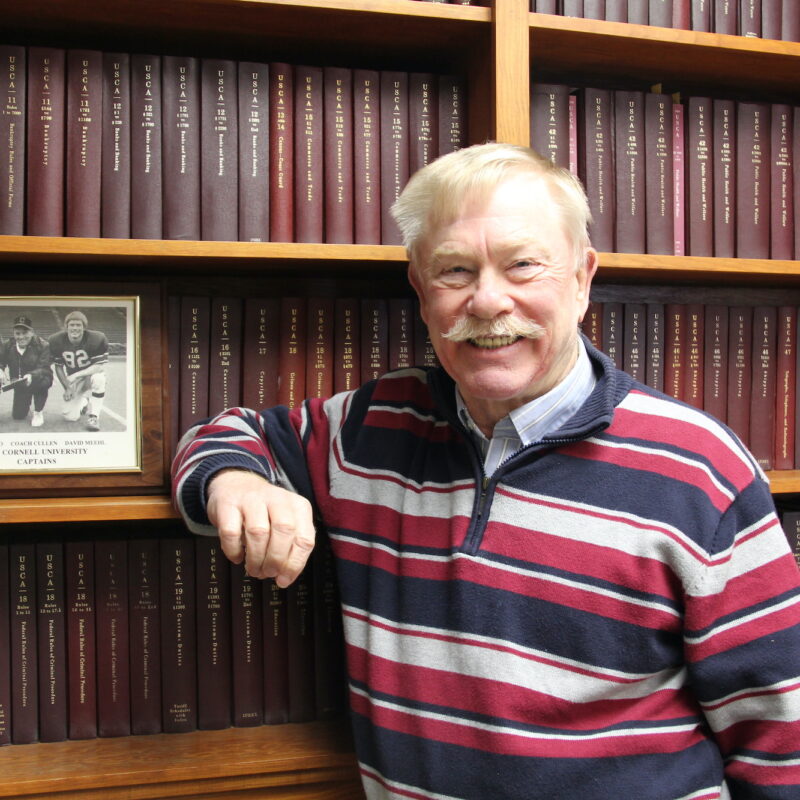
Thanks to the generosity of David W. Meehl ’72, MBA ’74, Cornell is expanding its quantum science team, tools, and impact.
Spotlight:
Get Involved:
Want to help shape the quantum future? Support student research, fund a lab, or join us for a campus event. Contact June Losurdo, Alumni Affairs and Development, for more information.
Stay up to date on the latest quantum news at Cornell and follow us on these platforms: