News
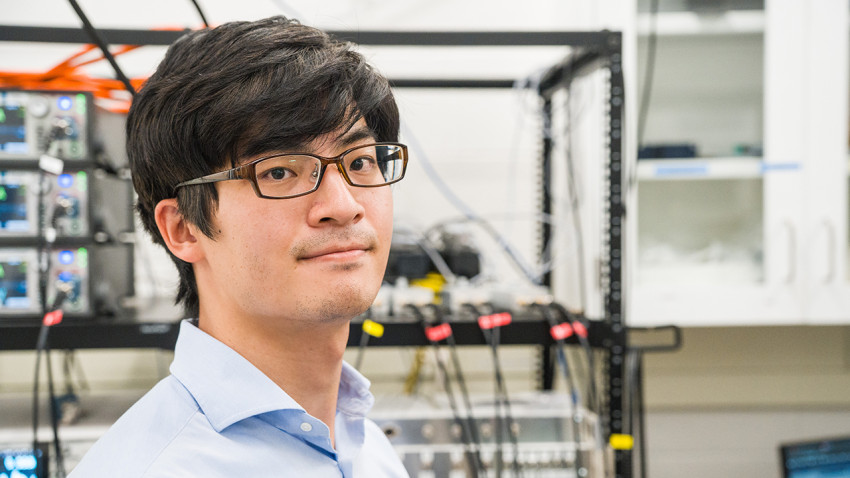
Kenji Yasuda, assistant professor in the School of Applied and Engineering Physics, was honored for his work with stacks of atomically thin materials that host emergent quantum phenomena.
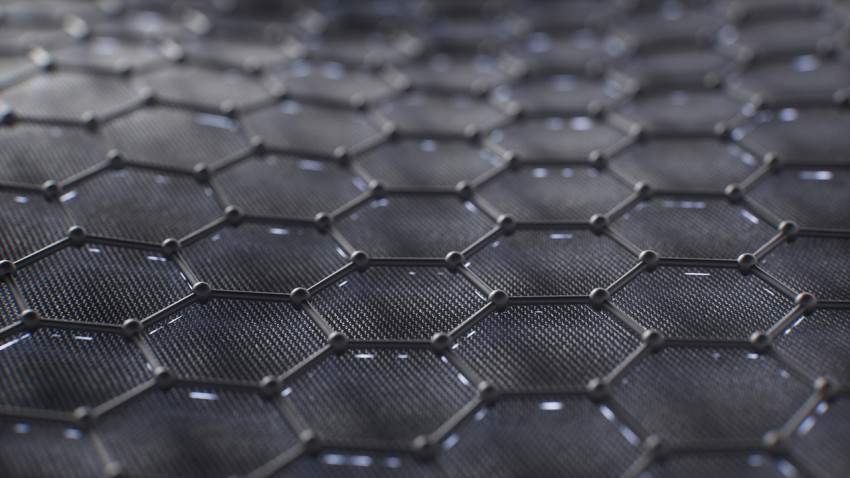
Researchers at the Cornell Duffield College of Engineering have found that electrically sliding the layers of ultrathin graphene can switch the material between distinct magnetic states that persist even after the voltage is removed.
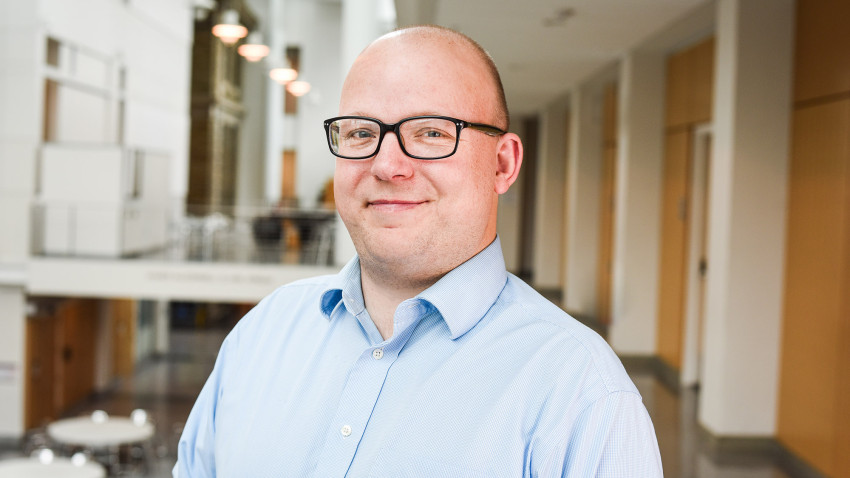
A programmable photonic chip that can be reconfigured to perform different tasks could make quantum technologies more flexible – an approach associate professor Peter McMahon will explore as a 2026 Experimental Physics Investigator with the Gordon and Betty Moore Foundation.
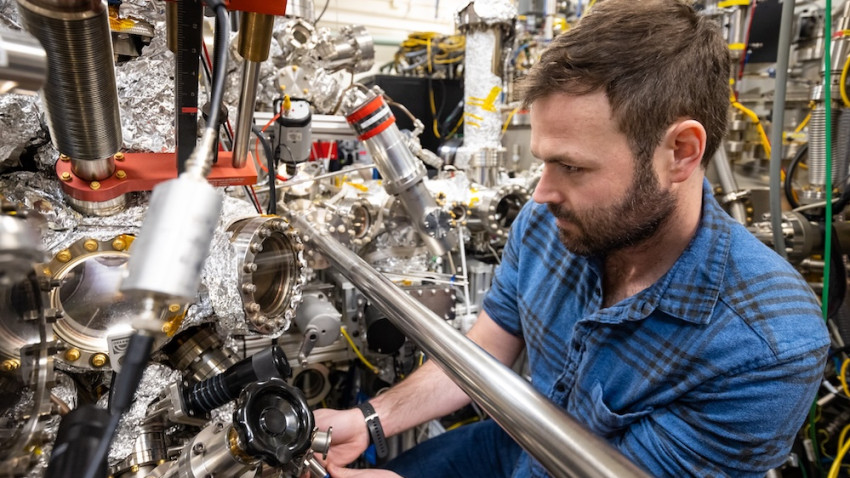
Superconductivity in iron selenide is primarily controlled by disorder in the crystal lattice, not electron count, Cornell physicists have found, a new insight for understanding high-temperature superconductors.
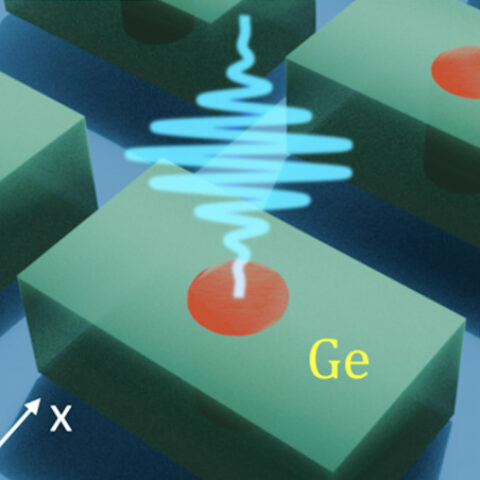
Using an engineered metasurface that traps light, Cornell researchers have demonstrated a new way to generate strong static magnetic fields without using external magnets or magnetic materials – an approach that could advance spintronics, quantum and photonic computing, and data storage.
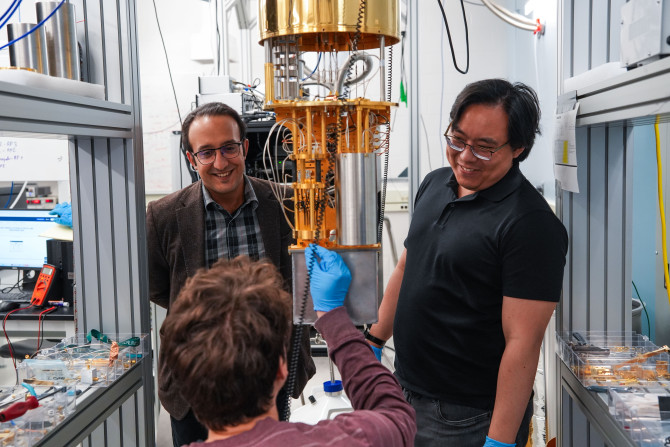
MARQUIS, a new Quantum Leap Challenge Institute funded by the National Science Foundation, will develop the materials and manufacturing techniques needed to build quantum processors at scale.
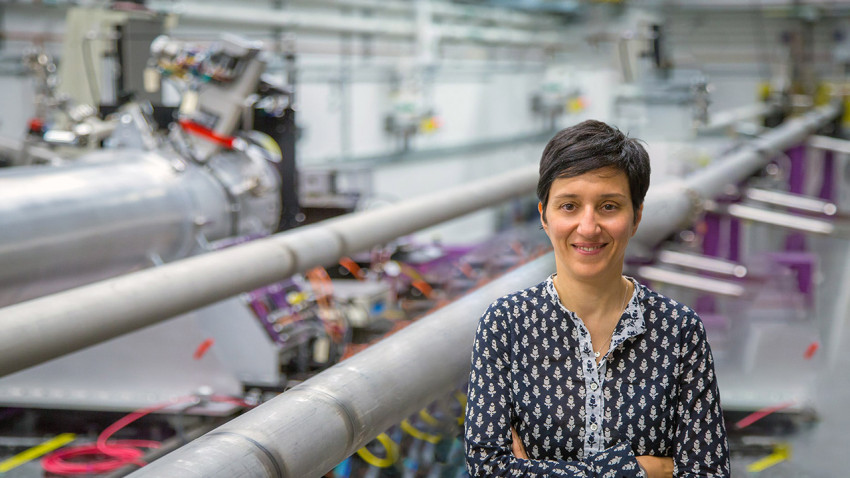
Carini, associate laboratory director for discovery technologies at Brookhaven National Laboratory, will take over from Joel Brock, who has been the director since 2013.
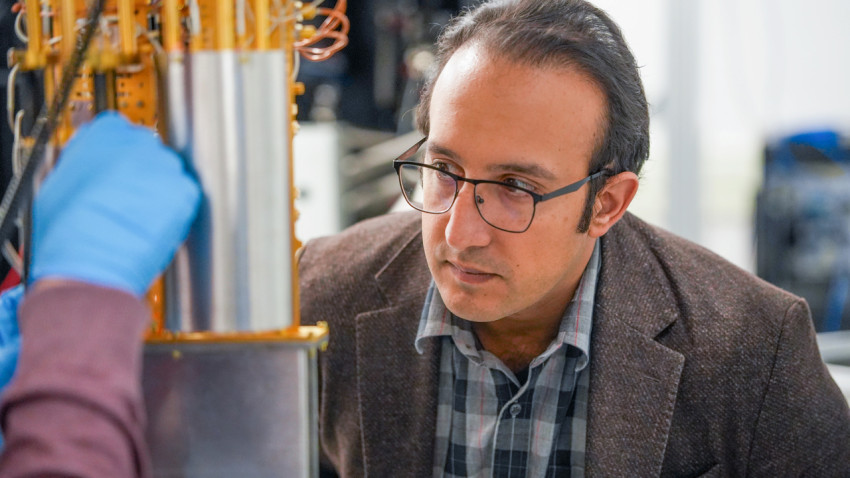
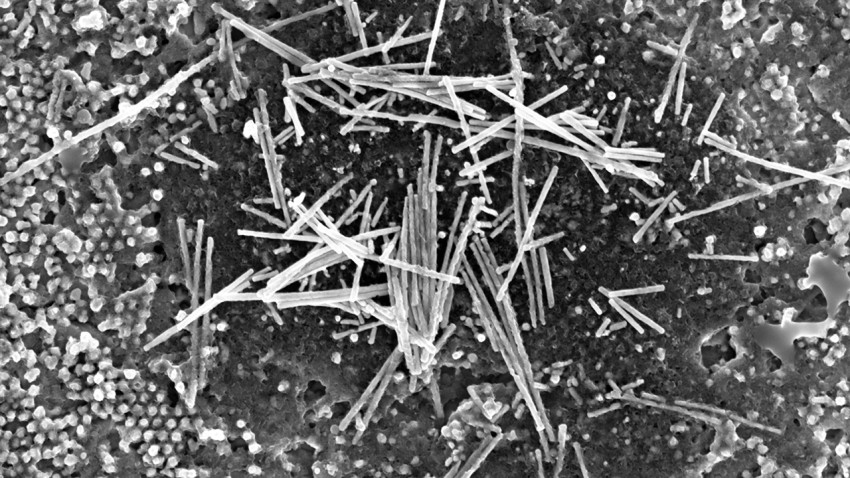
Researchers developed a method that uses krypton gas to slash the deposition temperature of the corrosion-resistant metal tantalum, resulting in thin films that have substantially higher electronic conductivity.

Mohamed I. Ibrahim will use his award to advance quantum computing with a project that aims to develop energy-efficient, scalable interfaces for cryogenically cooled quantum processors.
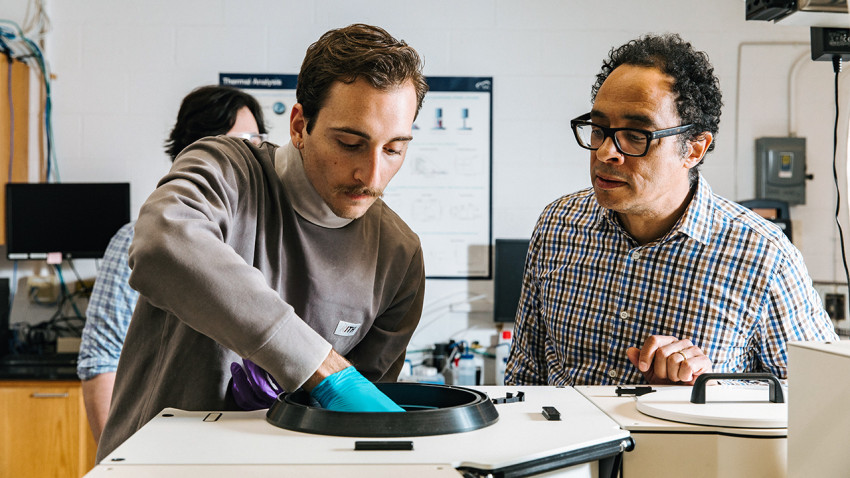
Light typically interacts with a material the same way whether it enters through the front or the back. Cornell researchers have demonstrated a simple route to breaking that symmetry, with possibilities for photonics and quantum information processing.

Two Cornell-led research teams have been selected to receive nearly $1.2 million through Phase I of the U.S. Department of Energy’s Genesis Mission.